ServicesHome Battery Backup
Home Battery Backup Systems in Grand Prairie
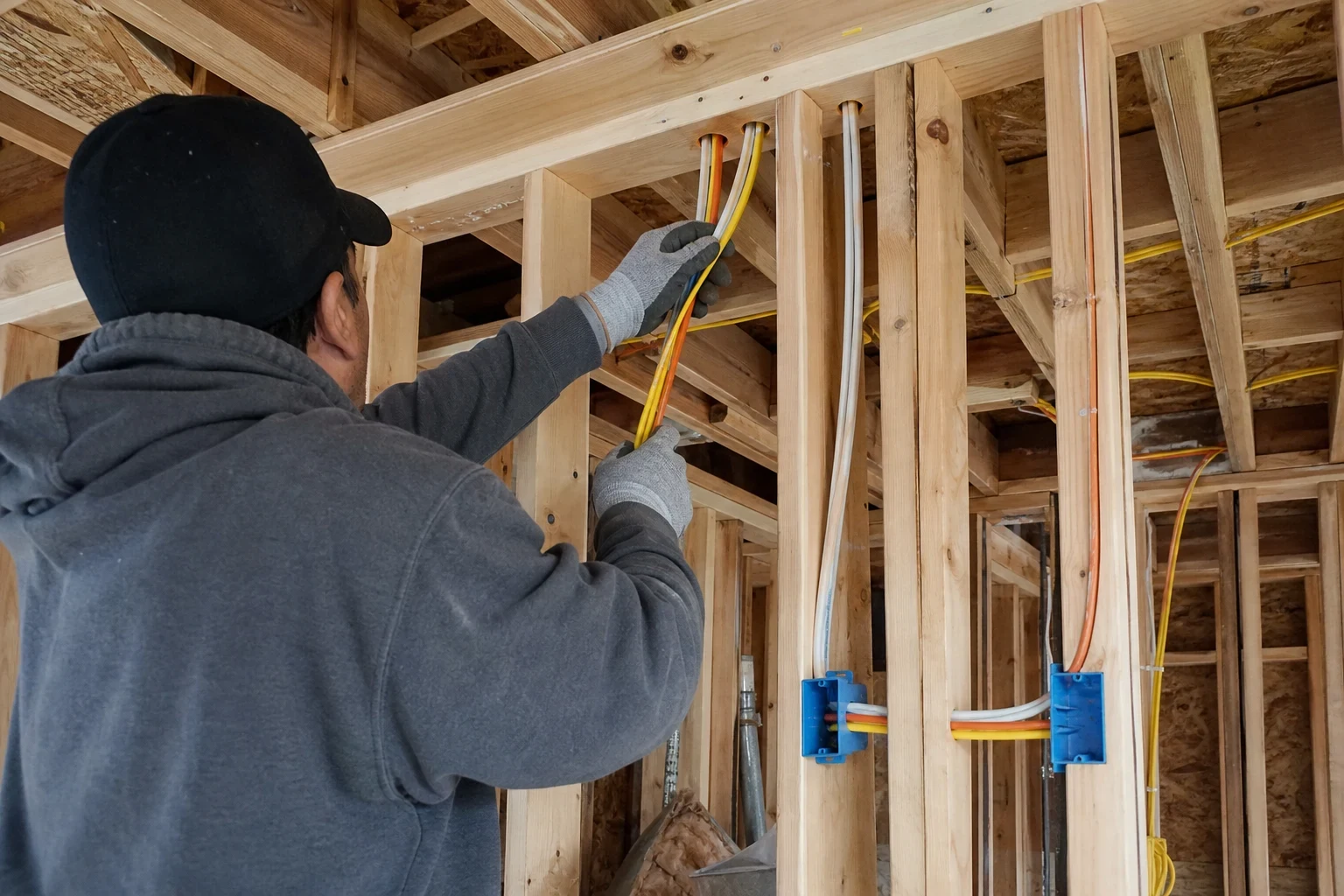
A home battery keeps the circuits you choose running through an outage, quietly and with no fuel to store. We measure what your home actually draws, size the battery and inverter to match, and wire the transfer gear so the switch to backup happens on its own.
How a Home Battery Works and Who It Suits
Every home battery setup has three main pieces. Battery modules hold the energy. An inverter converts that stored DC power into the 120/240-volt AC your house runs on. A gateway or transfer switch separates your home from the grid when the power goes out, letting the battery take over. Once utility power comes back, the gateway reconnects and the battery refills.
Whether a system fits comes down to two figures. Storage, measured in kilowatt-hours, controls how long it lasts. Inverter output, measured in kilowatts, controls how much can run at once. Even a battery with lots of storage can shut off if a central air compressor draws a big surge as it starts, so we begin with your actual loads rather than a sales sheet.
A battery is the best match when outages last hours instead of weeks, or when you want backup with no fuel line and no engine running. The 2021 winter storm showed plenty of North Texas homeowners how much a working furnace blower and refrigerator are worth. For long outages or backing up the whole house, our Generator Installation page explains the other option, and some homes use both.
What the Installation Includes
- 01
Load measurement
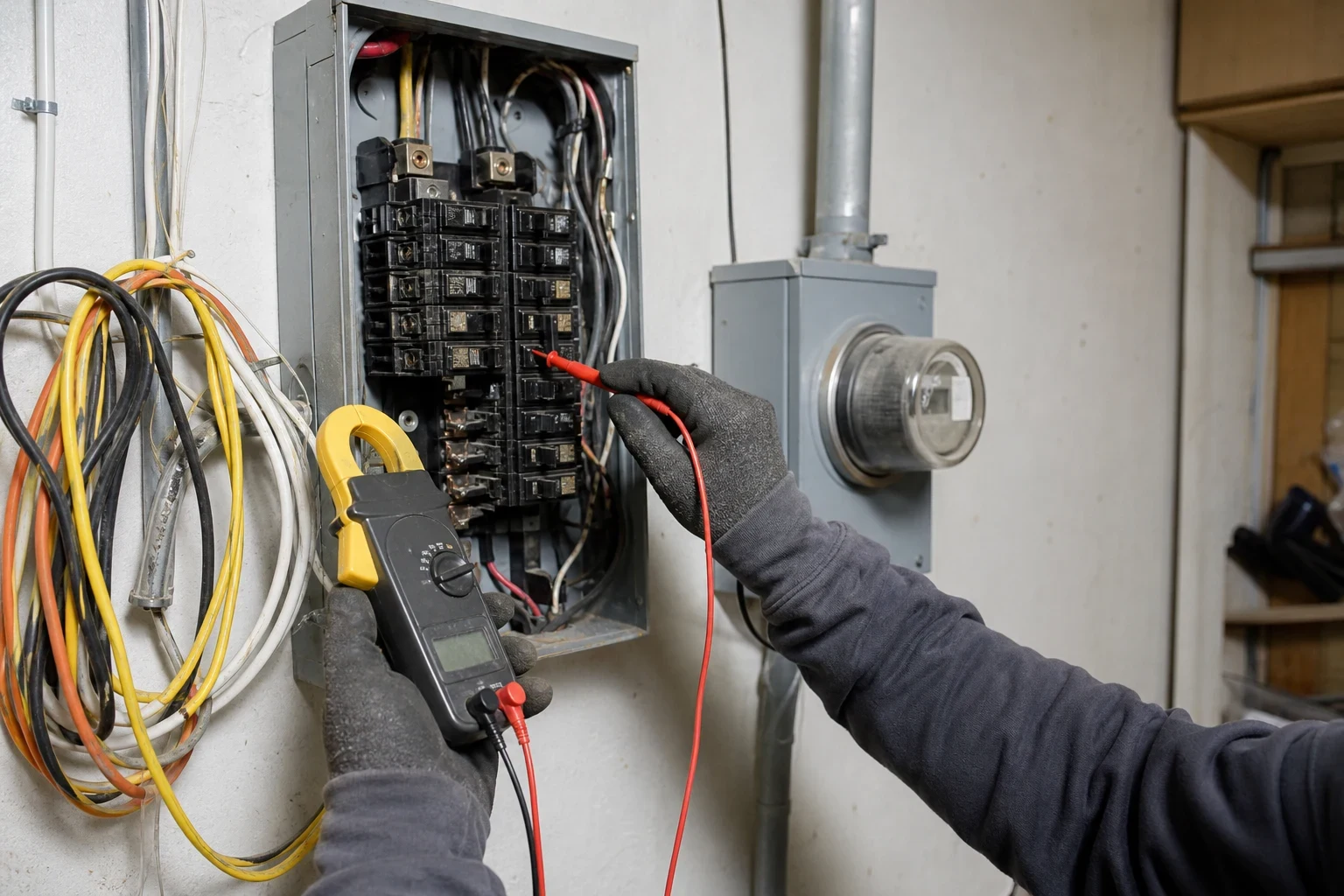
We look at your panel schedule and the nameplates on major appliances, and clamp-meter key circuits when needed. That tells us running watts and startup surge, which drive inverter sizing.
- 02
Backup loads panel
Most systems feed a separate panel holding the circuits you picked: refrigerator, lights, internet, outlets for medical or work equipment, the furnace blower. We move those breakers from your main panel and label every one.
- 03
Transfer gateway and controls
We install the gateway or automatic transfer equipment that isolates your home from the grid. That isolation keeps backfeed off the utility lines, which protects line crews and your equipment.
- 04
Mounting and placement
Batteries go on a wall or pad with the clearances the manufacturer and code require. In a garage we account for vehicle impact protection and for summer heat, since lithium cells lose capacity and life when they sit hot.
- 05
Permit, inspection and setup
We pull the permit, schedule the inspection as the local jurisdiction requires and coordinate with the utility where it applies. Then we commission the system, run a live outage test and show you the monitoring app.
Questions about Home Battery Backup?
Call(682) 343-9645Signs a Battery Backup Belongs on Your List
Outages spoil food or stop work
If a few hours without power means a warm fridge or a dead home office, a modest system covering those circuits solves it.
A family member depends on powered medical gear
If someone sleeps with a CPAP, uses an oxygen concentrator or keeps insulin in the fridge, those circuits can't sit idle while the utility makes repairs. A battery keeps them live the instant the grid fails.
You don't want to store or run fuel
A battery has no gas line, no engine maintenance and no exhaust near windows.
Spring storms keep knocking the power out
Short, frequent outages from thunderstorms are where a battery does its best work, because it switches over in a fraction of a second and your clocks and router never notice.
Your panel is full or aging
No open spaces or a panel with known problems means it needs attention before a battery goes in, and we will tell you that up front.
How Your Battery Project Runs
- 1
Service visit and load review
We inspect your main panel, service size and wall space, list what you want backed up and measure the big loads. You get a written plan showing the system size and why.
- 2
Permit and equipment
We apply for the permit with a one-line diagram and the equipment specs, then order the battery, gateway and backup panel once it is approved.
- 3
Installation day
Most installs take one to two days. Your power is off for a few hours while we tie in the gateway and move circuits, and we tell you the window ahead of time so freezers and computers are ready.
- 4
Inspection, test and walkthrough
After the inspector signs off, we pull the main breaker to simulate an outage, confirm every backup circuit holds, and walk you through charge settings and alerts.
What Moves the Price
Battery backup cost depends far more on what you want to run than on the battery brand. We price from your load list and your panel's condition, and the written estimate shows each part as its own line so you can see where adjustments change the total.
- Storage and inverter size
- More kilowatt-hours means more modules. Running a central air unit or electric range on backup needs higher continuous output and surge capacity.
- Partial or whole-home backup
- A critical-loads panel is simpler. Whole-home backup usually means gateway equipment at the service entrance and sometimes load management or a soft starter on the compressor.
- Panel condition
- A full, undersized or failing panel may need work first. If so, our Panel Upgrades work is quoted separately so you see both costs clearly.
- Location and wire runs
- Distance between the panel and battery wall, attic or exterior routing, and impact protection in a garage all add material and labor.
Common Questions About Home Batteries
How many hours will a battery power my house?
That depends on what is running. Covering a refrigerator, lights, internet and a gas furnace blower can last a good while, but central air uses up the charge fast. During the visit we estimate runtime based on your own load list.
Will a battery handle my AC?
In some cases. The real obstacle is the surge when the compressor starts, not what it draws while running. Enough inverter output, or a soft starter fitted to the condenser, lets many systems manage it, though it means a bigger and costlier setup.
Is a battery or a generator the better choice?
A battery runs silently, needs little maintenance and takes over instantly, but its stored charge does run out. A standby generator keeps running as long as its natural gas or propane supply holds and handles large motor loads like a compressor more easily. For outages lasting several winter days, a generator or both together is often the better match.
Is a permit required?
Yes. A battery system needs a permit and an inspection, and some installs also require working with the utility. We take care of the paperwork and are there for the inspector.
Can the battery live in my garage?
Yes, if the model and location are right. Local garages get very hot in summer, so we confirm the maker's temperature range, steer clear of west-facing walls when possible and add guards against vehicles.
Find Out What Size Battery Your Home Needs
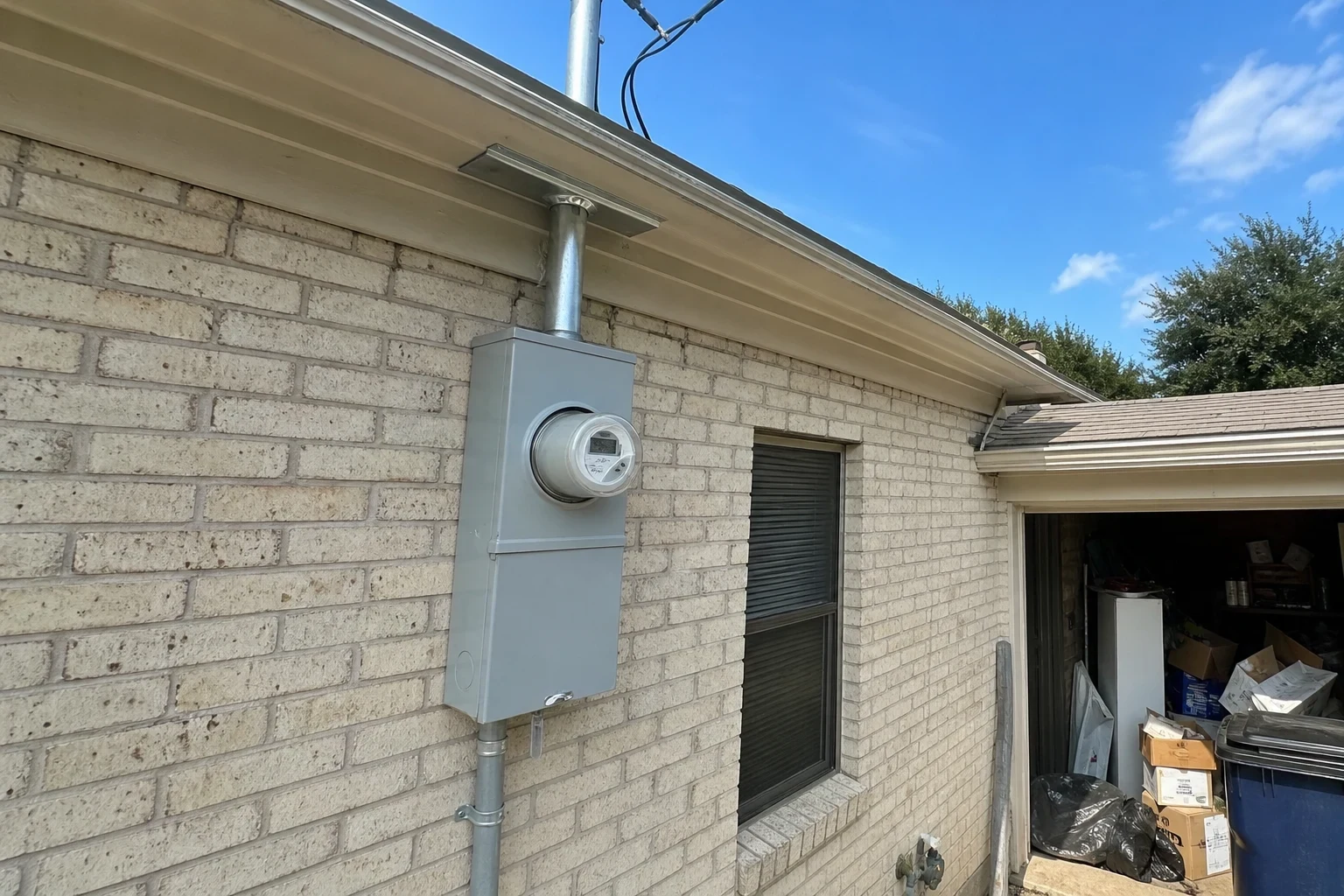
We will measure your loads, check your panel and explain the options in plain numbers. You decide what to back up before anything is ordered.